PALMERSTON ORIGIN (English)
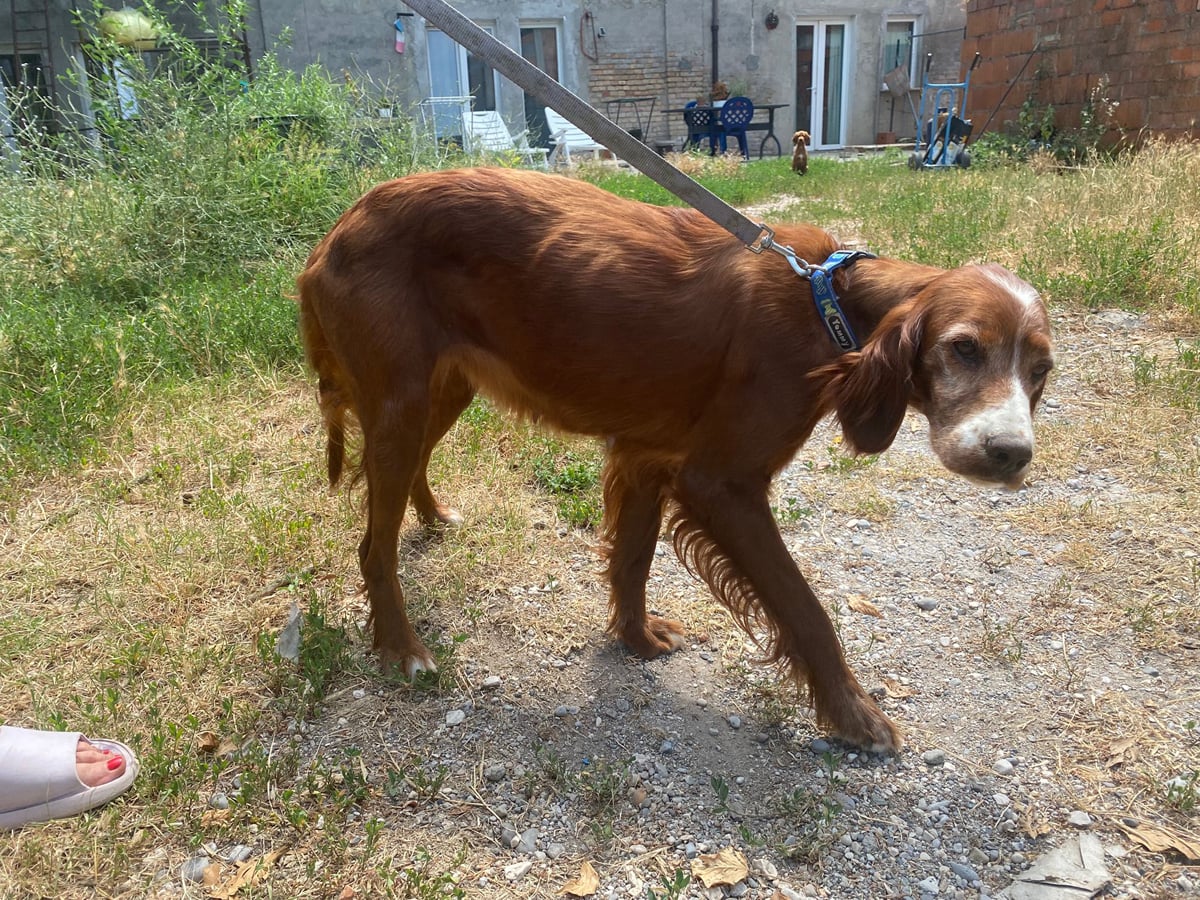
An Italian breeder—a friend of mine—who had to cease his breeding operations for health reasons, did not want to sell his dogs individually to people simply looking for a pet. Doing so would have instantly undone the years of work he had dedicated to the Palmerston Irish Setter. He asked me to continue his efforts—the preservation and further development—of these exceptional animals. All of these dogs possess an official Italian ENCI (FCI) pedigree. The pedigrees are available for inspection upon request.
He told me the following about the Palmerston Irish Setters:
The best breeders of Irish Setters have drawn upon the Moanruad bloodline. When Nasch passed away, his wife sold the dogs—rather than disposing of the training kennel itself. The dogs ended up in France (Redazerie, Chaume Rigault), Germany (Von Royal), England (Seantullag), Italy (Canerosso, Magna Sila), and with me. At the time, I had to reconstruct the bloodline by arranging matings across Europe, which ultimately led to the results seen today. However, not everyone possesses the Palmerston line; in fact, there are now only a few people—myself included—who still have this line. This is partly because it is rare for a specific, desired trait to manifest in a litter (as it involves a recessive gene).
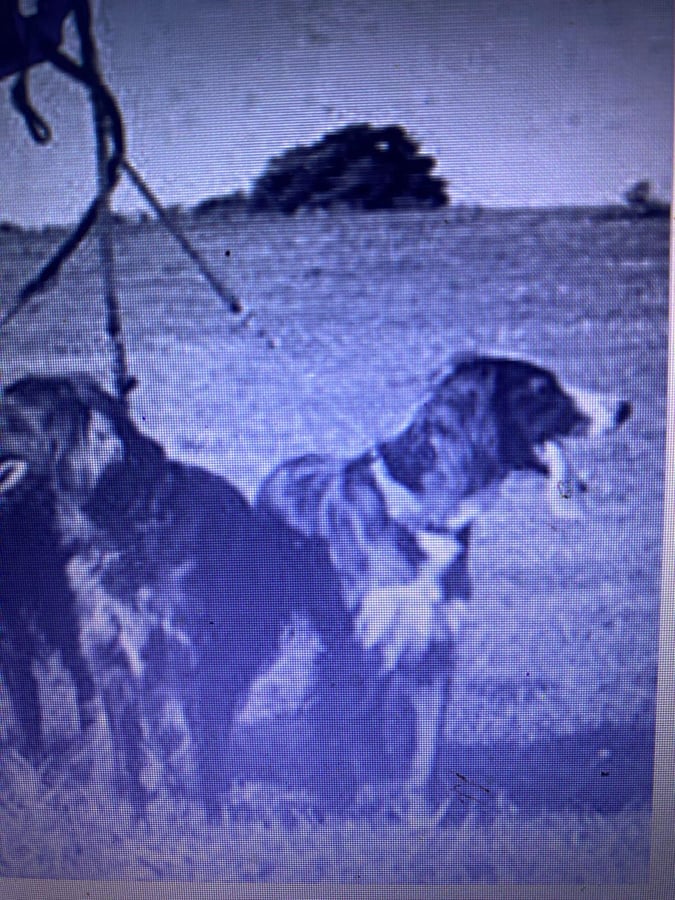
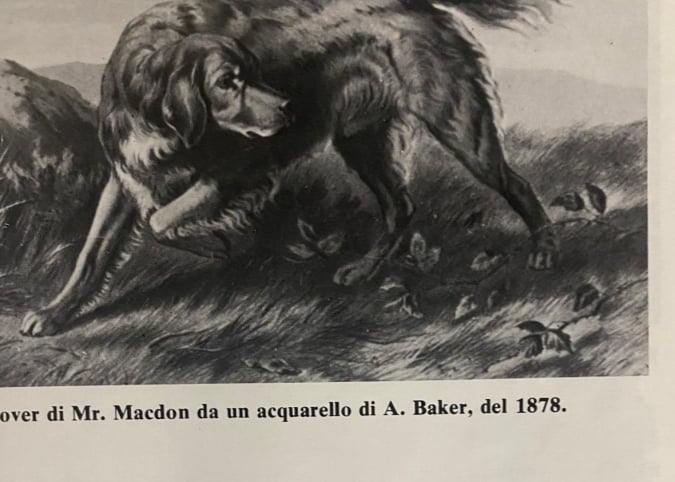
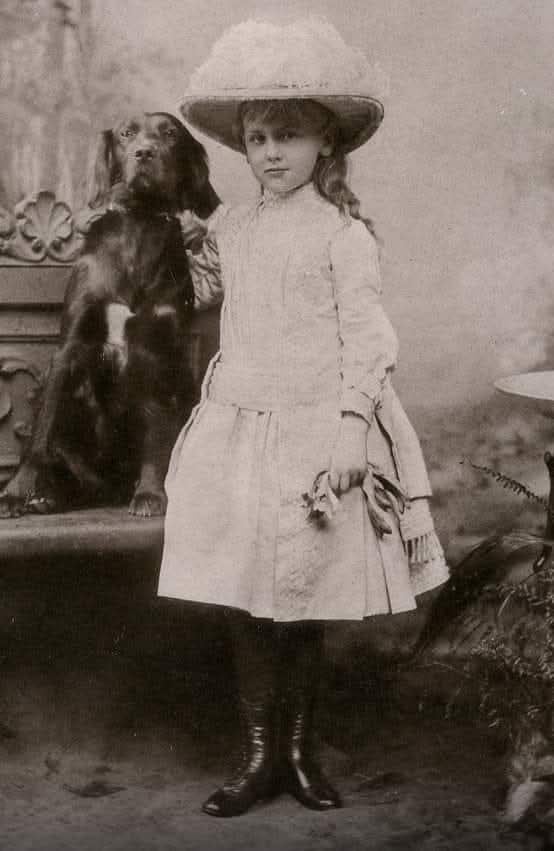
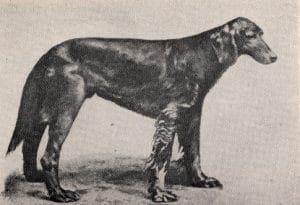
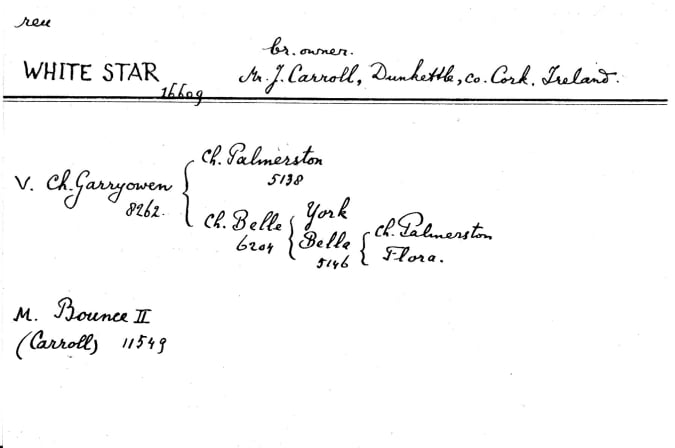
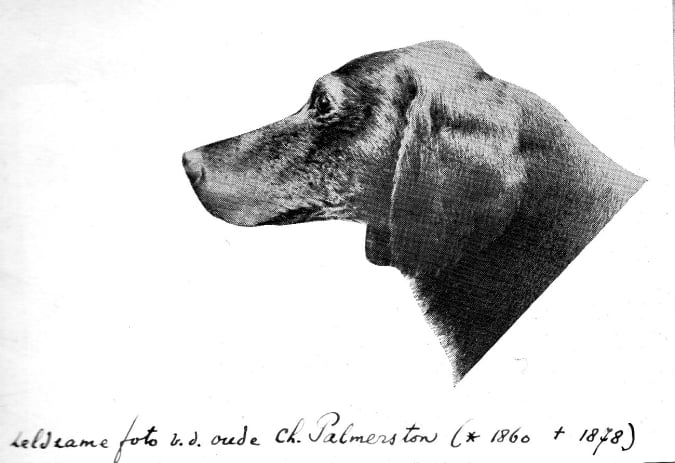
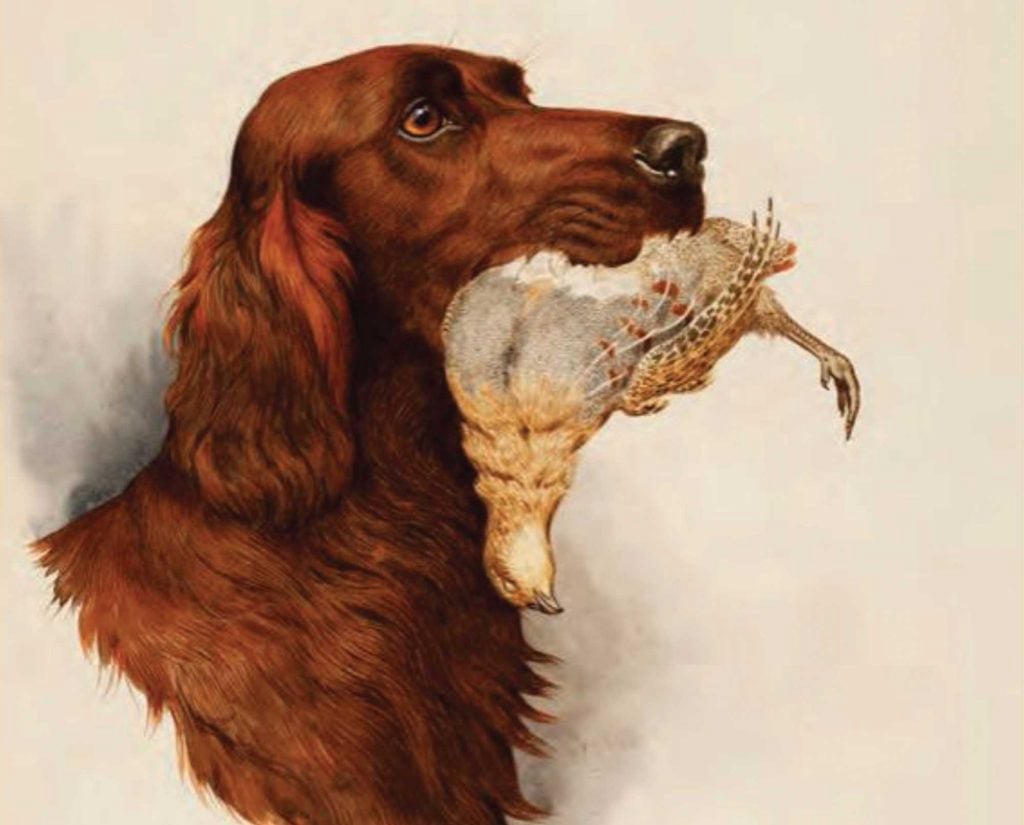
Champion Palmerston (born in 1862) is the legendary progenitor of the modern Irish Setter. This mahogany-colored male had a remarkably slender build and a small white spot on his skull (the "Palmerston Snip"). Virtually every Irish Setter alive today can be traced back genetically to this dog.
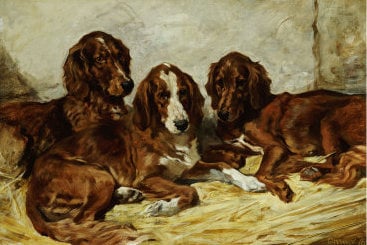
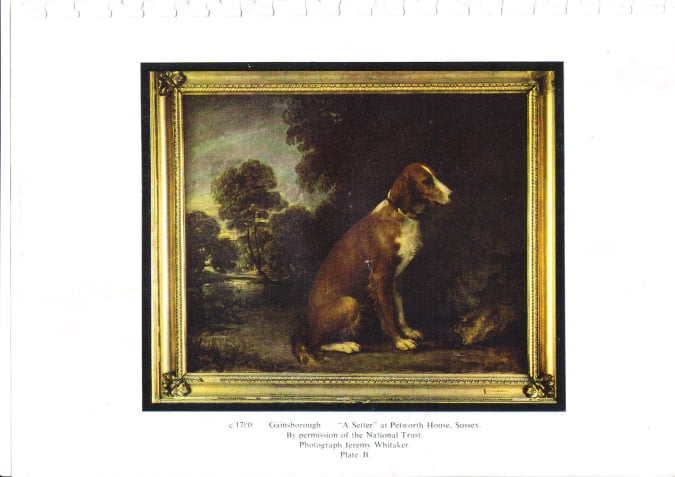
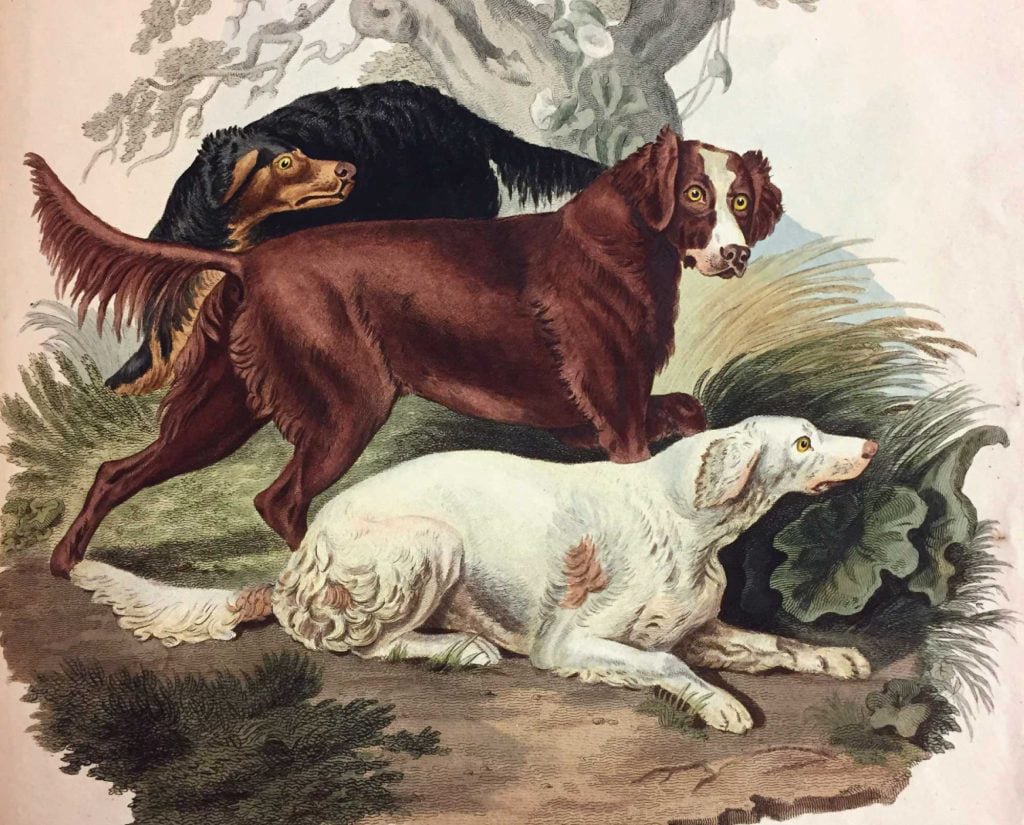
Although his owner noted that he was not a particularly strong hunter, his elegant appearance made him the ultimate breed standard. His influence is so significant that breed associations still honor his history today. Solid red dogs appeared at the end of the eighteenth century; they were likely the result of crossing red-and-white dogs with a solid-colored dog. From that point on, distinct bloodlines emerged in Ireland—some consisting exclusively of red dogs, others of red-and-white individuals—with occasional interbreeding between the two. Around 1880, solid red dogs became increasingly fashionable, which led to the rapid disappearance of red-and-white dogs, as well as red dogs with significant white markings. This was less a case of intentional breeding for a solid red color and more a matter of the red-and-white variety being phased out. Within a decade, the red-and-white dogs had all but vanished.
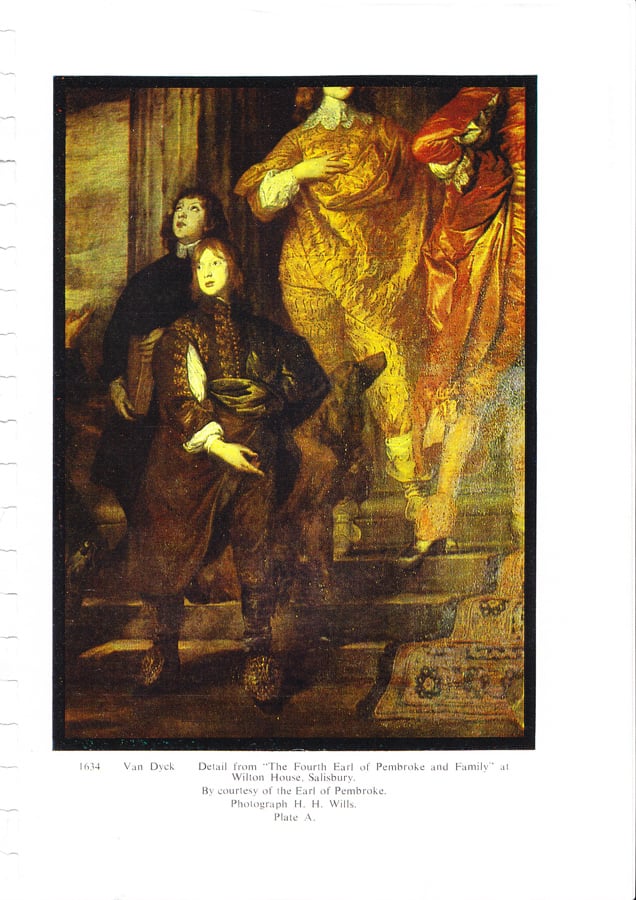
In his authoritative book, *A Survey of Early Setters*, canine historian Gilbert Leighton-Boyce highlights a fascinating connection between paintings by Anthony van Dyck from 1634 and the early history of the Irish Setter. Leighton-Boyce points out that Van Dyck’s portraits from this period feature dogs that bear a striking resemblance to red setters (with or without white markings). Crucially, because these works were painted while Van Dyck was interacting with exiled continental nobility, Leighton-Boyce uses them to argue that the earliest ancestral roots of the red setter may not have been strictly English or Welsh; instead, the breed might have developed in the historical region of Navarre (bordering present-day France and Spain) before evolving into the iconic Irish breed we know today.